Meme Culture Meets Breast Cancer Awareness: Are We Laughing or Learning?

Hello friends and welcome back to my blog. Since I work in medtech, I am always thinking about ways to bridge health information with engaging content. Today, I want to look at a viral case study on breast cancer memes. You might remember those cryptic bra color posts or statuses that said things like “I like it on the couch.” They definitely caused a stir on social media, but did they actually motivate anyone to learn or take action about breast cancer? Let’s dive in.
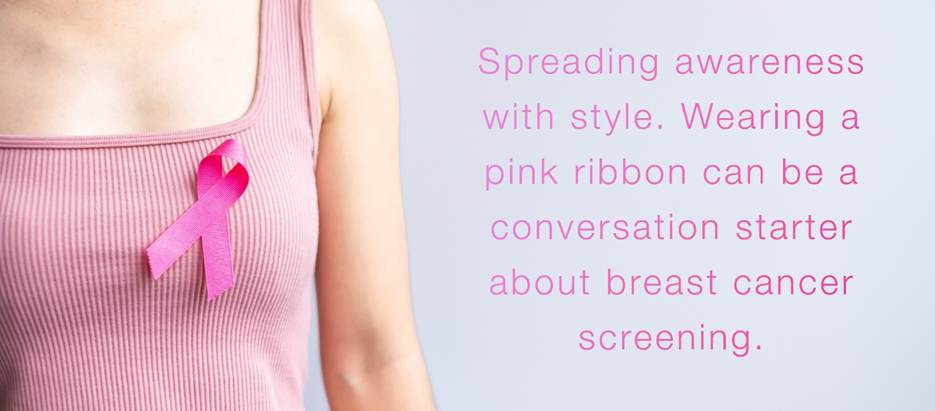
The Power of Memes

Memes can travel the internet at lightning speed. In this campaign, people shared obscure hints about their bra colors or where they liked to keep their purse, all in the name of breast cancer awareness. The fun part was how it grabbed attention and sparked curiosity. But from a medtech standpoint, I always wonder… did this mystery lead to more awareness or was it just a playful inside joke?

Real Engagement or Quick Clicks
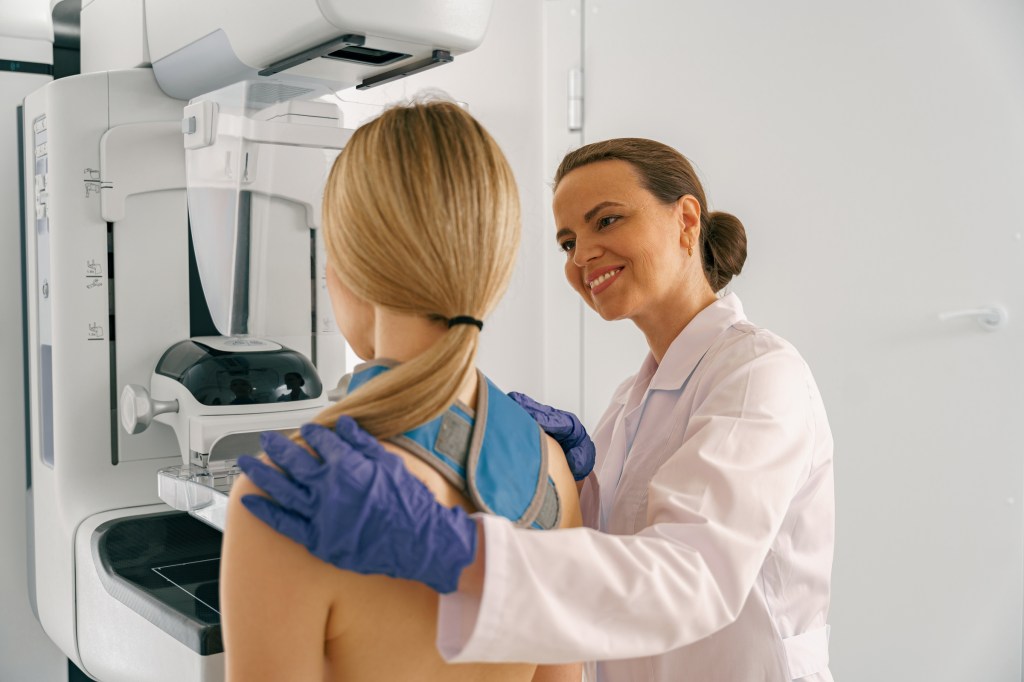
Scheduling a mammogram could be the best follow-up to an awareness campaign.

Action > Likes.

When Serious Meets Silly

These memes sparked debate for possibly trivializing a serious disease. Some supporters argued that it broke the ice on a hard conversation. Others said it disrespected survivors and those currently fighting the illness. In the medtech world, I have seen firsthand how respectful humor can sometimes open doors, especially for taboo or scary subjects. If you go too far and alienate the people who need support most, you risk undermining your entire message.

Personal stories can really highlight the human side of awareness campaigns.

My Verdict

If the goal was to get people talking, the campaign succeeded in spades. Everyone was scratching their heads at first, then whispering about breast cancer awareness. The missing link was directing people to actual resources. Imagine if each bra color post had said, “Now that you’re curious, check out these screening tips.” In that scenario, meme culture could have led to real life benefits.

A little humor plus a real plan for action can bring communities together.

Wrapping Up

Memes can be a fun hook, but they need a deeper purpose. That is especially true for something as important as breast cancer awareness. For me, working in medtech has shown me that small steps can make a big difference. If you spot a campaign like this, do not just post “I like it on the couch.” Go one step further and share a screening link, a reminder to get a checkup, or a donation page.

I hope this post has sparked some thoughts on how we can use social media creatively while still serving a greater health mission. Feel free to add your own stories or ideas in the comments.

Thanks for reading and see you soon.

2 responses to “Bras, Memes, and Real Action: A Medtech Perspective on Breast Cancer Awareness”

  1. Jodie Radich Avatar

    Hi Robert! I enjoyed reading this blog. I like how you tied this course scenario in with your personal experience and work as a medtech. Meme’s, as we have seen, can cause quite a stir. The viral case study on breast cancer memes was not an exception. It seems like your entire friend list was engaging in the trend! It was like an overnight success. However, I guess that depends on what success they were looking for. Real engagement with actionable steps being taken, or just a fun stir? Or as you mention in your blog, it could have been taken as disrespectful since the topic of breast cancer is such a serious disease that impacts roughly 1 in 8 women. (National Breast Cancer Foundation, 2025) This campaign definitely got chatter, however a call-to-action like donate, volunteer or share could have even strengthened it. There are many examples of how social media can serve a greater health mission. In my role as a clinical research marketer, I see social media impacting research studies every day. We can reach overcome time and distance constraints to reach patients needed for groundbreaking discoveries. Our recruitment is greatly increased with the use of social media through participants and education on the importance of research.

    Sarkar, Urmimala. 2018. UCSF Helen Diller Family Comprehensive Cancer Center.  The Growing Role of Social Media in Research and Healthcare. The Growing Role of Social Media in Research and Healthcare | UCSF Helen Diller Family Comprehensive Cancer Center

    Shockney, Lillie. 2025. National Breast Cancer Foundation. Breast Cancer Facts & Stats. Breast Cancer Facts & Stats 2024 – Incidence, Age, Survival, & More

    Like

  2. Angelina Sandoval Avatar

    Robert, I really appreciate how you broke down this topic and provided some possible additions/solutions to how this situation could have been handled.

    While it can be argued whether or not the memes were appropriate, my personal take is that they didn’t succeed in enacting any actual action. Getting people talking is a great first step, but without any follow-up, are people getting the support they need and is any change actually being made?

    I really like the additional steps you suggested. Sharing a screening link, reminders to get a check-up, and links to donation pages are some great ways of actually turning this awareness campaign into something that could really positively benefit the people affected by breast cancer. 

    I think it’s important to remember the long-term goal of campaigns like these when planning and taking part in them. If we want to make a change, then we need to be prepared to put in that little bit of extra effort. 

    Overall, really great thoughts in this post! I really enjoyed reading it, and I look forward to hearing more of your perspective on such topics in the future.

    Like

Leave a reply to Jodie Radich Cancel reply

I’m Robert

Welcome to The RJ Innovator, my cozy corner of the internet dedicated to all things Med-Tech and Surgery. Here, I invite you to join me on a journey of creativity, innovation, and all things surgery with a touch of humor.

Let’s connect