Orkut was one of those platforms that came in fast and made a real impression. If you were online in the early 2000s, there’s a good chance you remember it (I know I do!). It was Google’s first big step into the social networking space. And even though it didn’t last, it taught us a lot about what it means to understand your audience.
Let’s break down what worked, what didn’t, and what we can take from it today.
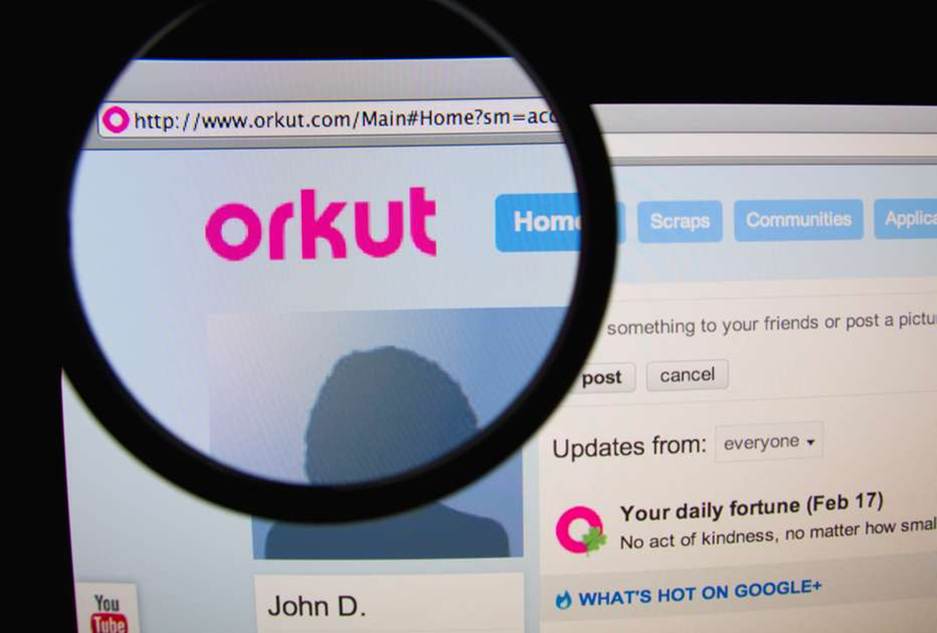
Where Orkut Shined
Orkut wasn’t trying to be polished. It wasn’t trying to be trendy. It was just about people… Users could join and create communities based on shared interests. You could rate friends, recommend products, or jump into a group chat about anything from soccer to pop music. It wasn’t about likes or followers. It was about finding your space.
Brazil was where it really caught fire. At one point, more than 90 percent of Orkut users were located in Brazil. That’s not just impressive, it shows that the platform matched the way people already connected. It leaned into culture and made people feel like they belonged.
Orkut also encouraged users to help shape the platform through their communities and conversations. That kind of shared ownership created a sense of value and engagement that brands today still chase (Mahoney and Tang, 2016, Ch 13).
Where It Missed the Mark
The issue came when the digital world started to change and Orkut didn’t evolve with it. Platforms like Facebook and Twitter were changing the game. They rolled out new features, improved the mobile experience, and prioritized how users actually interacted with content. Orkut stayed the same…
The platform felt stuck, and it was slow to adapt. Its design didn’t work well on mobile. And as users shifted their habits, they also shifted to other apps.
Social media only works if it grows with its community. The moment you stop listening or adapting, you fall behind (Mahoney and Tang, 2016, Ch 11).

What We Can Learn from Orkut
This story reminds me a lot of what I see in medtech. In orthopedics, we roll out digital tools and training platforms all the time. The ones that survive are the ones that actually help save time or improve outcomes. The ones that fail are usually the ones that stay static and don’t respond to what the users actually need.
Here are a few takeaways from Orkut that I think apply to every industry:
- Know your audience and stay close to them
- Create space for real participation
- Be willing to change based on user feedback
- Do not assume people will stick around just because they used to
Orkut had a good thing going. But it didn’t check in with its users often enough. It didn’t keep pace with how people were using technology. As a result, it went from being a must-have to a forgotten app.
Relevance requires effort. And effort means evolving with your people (Mahoney and Tang, 2016, Chapter 12).

Final Thought
Orkut created something meaningful. It gave people community. It sparked conversations. And for a while, it owned its space. But nothing in social media lasts forever unless you keep showing up for your audience.
Whether you are launching a global platform or trying to improve digital tools in the operating room, the lesson is the same. Pay attention. Stay flexible. And never stop learning what your users care about.
Thanks for reading. If you remember Orkut or have seen something similar happen in your own work, let me know in the comments. I would love to hear about it.
#SocialMediaStrategy #CommunityBuilding #Orkut #MedTechMarketing #UserExperience #SNHUSMM
Mahoney, L. M., & Tang, T. (2016). Strategic social media: From marketing to social change. Retrieved from: https://mbsdirect.vitalsource.com/reader/books/9781118556900/epubcfi/6/30%5B%3Bvnd.vst.idref%3Dc08%5D!/4/2/14/6/3:226%5Btio%2Cn.%5D



 The RJ Innovator Blog
Leave a comment